
STORY
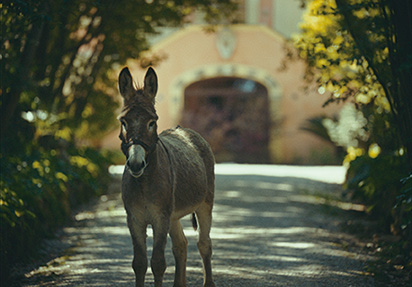
愁いを帯びた瞳とあふれる好奇心を持つ灰色のロバ、EO。
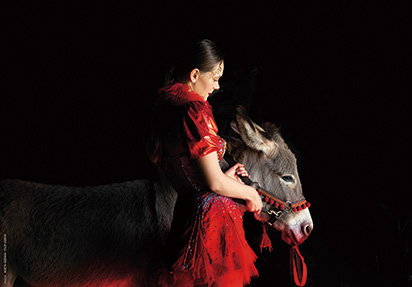
心優しきパフォーマー、カサンドラのパートナーとしてサーカス団で生活していたが、ある日サーカス団から連れ出されてしまう。
予期せぬ放浪の旅のさなか、善人にも悪人にも出会い、運を災いに、絶望を思わぬ幸福に変えてしまう運命の歯車に耐えている。
しかし、一瞬たりとも無邪気さを失うことはない。

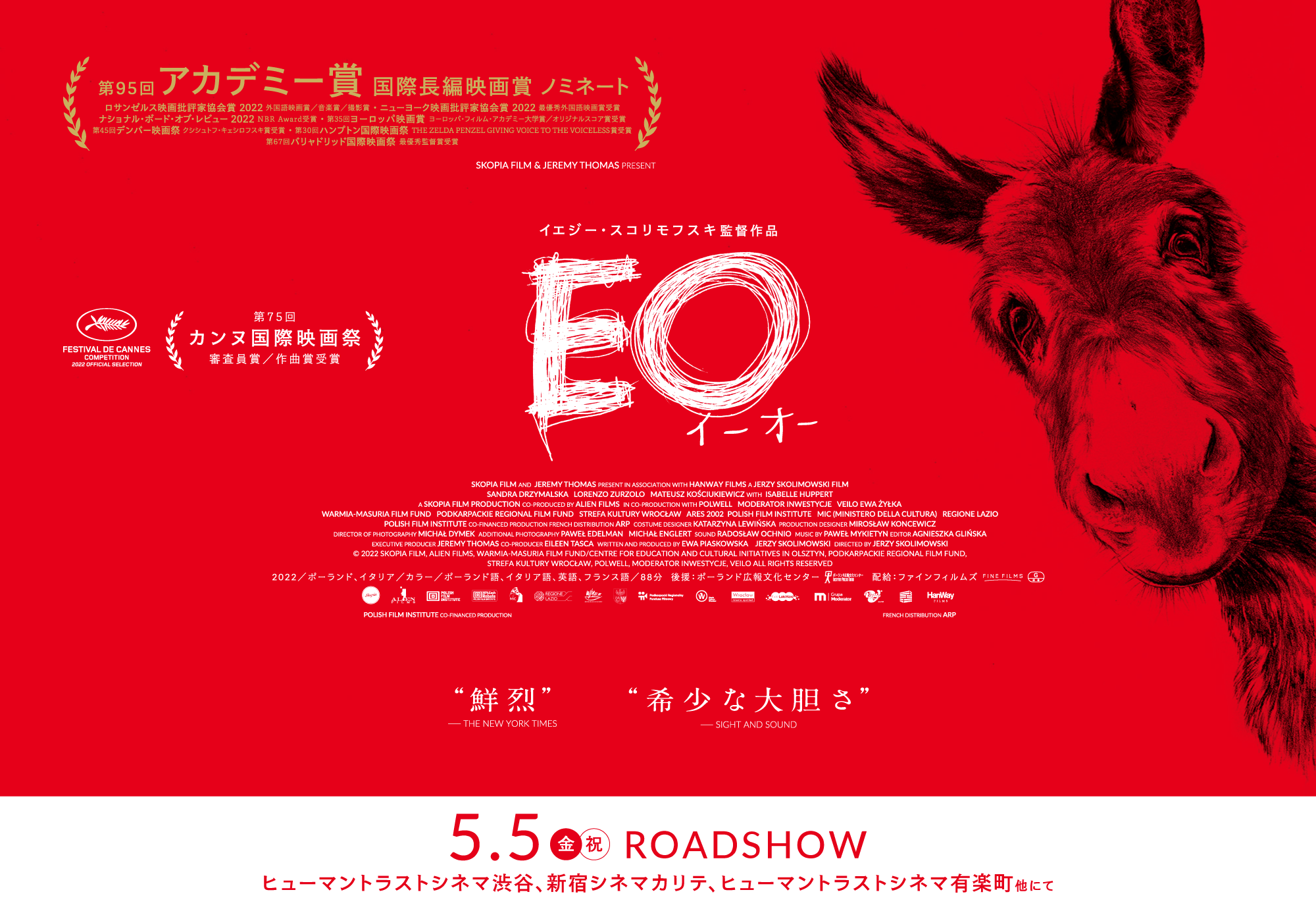




戦後のヨーロッパ映画界で最も評価の高い映画監督の一人であるイエジー・スコリモフスキ。本作は第75回カンヌ国際映画祭では審査員賞・作曲賞2部門を受賞、全米映画批評家協会賞では外国語映画賞/撮影賞の2部門を受賞し、アカデミー賞国際長編映画賞ノミネートを果たした。
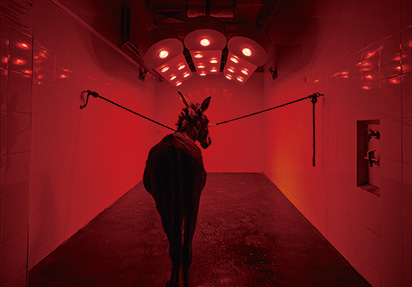
スコリモフスキ監督の7年ぶりの新作としてポーランドとイタリアで撮影されたこの映画の主人公は“ EO(イーオー)”という名前のロバ。監督自身が「私が唯一、涙を流した映画」と語る、ロベール・ブレッソンの『バルタザールどこへ行く』にインスパイアされた本作。ミハウ・ディメクによる臨場感あふれる見事なカメラワークと、世界の映画賞を席巻中のパヴェウ・ミキェティンによる印象的な音楽に連れ出され、我々観客はEOの旅を見守りつつも、ある時はEOの目線で予期せぬ荒波を潜り抜けることになる。
人間のおかしさと愚かさを、全くの別視点から体感するような無比の映像体験には、“鮮烈”“近年の映画には希少な大胆さ”と、その革新性とオリジナリティに多くの称賛が寄せられている。
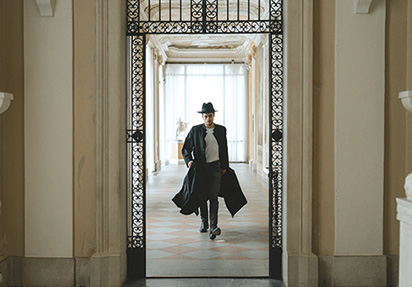
サーカス団のパートナー、カサンドラの元を離れ、ポーランドのサッカーチーム、どこか影のあるイタリア人司祭ヴィトー、そして伯爵夫人らと出会うEO。彼の目から見える世界、そしてそこから我々に投げかけるものとは―。
愁いを帯びた瞳とあふれる好奇心を持つ灰色のロバ、EO。
心優しきパフォーマー、カサンドラのパートナーとしてサーカス団で生活していたが、ある日サーカス団から連れ出されてしまう。
予期せぬ放浪の旅のさなか、善人にも悪人にも出会い、運を災いに、絶望を思わぬ幸福に変えてしまう運命の歯車に耐えている。
しかし、一瞬たりとも無邪気さを失うことはない。

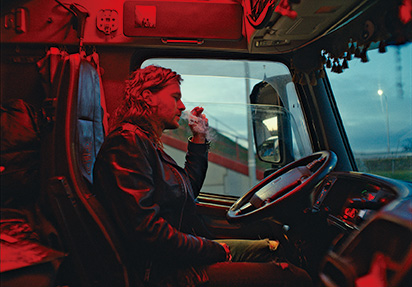
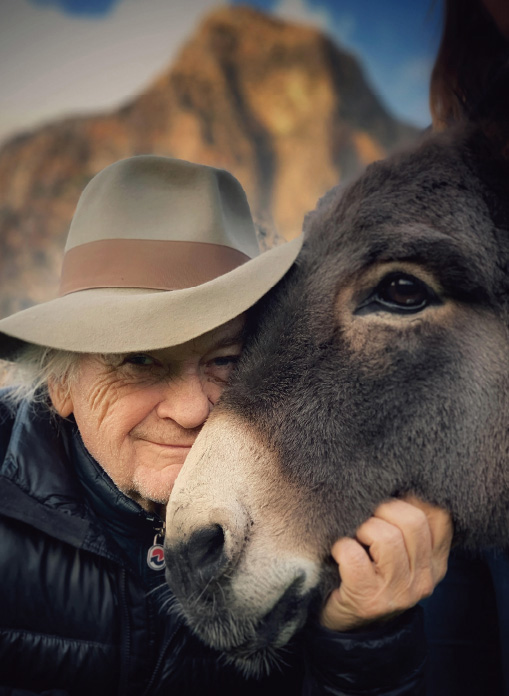
イエジー・スコリモフスキ(監督/脚本/製作)
1938年5月5日生れ。彼の名がクレジットされた映画は20本以上あり、監督作としては、ベルリン国際映画祭で金熊賞を受賞した1967年の『出発』、カンヌ国際映画祭で審査員賞を受賞した『ザ・シャウト/さまよえる幻響』(未・1978)、1982年の社会派ドラマ『ムーンライティング』、ヴェネチア国際映画祭で審査員特別賞を受賞した『ライトシップ』(1985)などがある。映画人としてヴェネチア国際映画祭で生涯功労金獅子賞を受賞した。脚本家としても『夜の終りに』(1963)、『水の中のナイフ』(1965)などの作品で知られる。
しばらく監督業を休止した後、2008年の『アンナと過ごした4日間』でカンヌ国際映画祭に復帰し、高い評価を得る。この作品はカンヌの監督週間のオープニングを飾り、東京国際映画祭では審査員特別賞を受賞。2010年に『エッセンシャル・キリング』でヴェネチア国際映画祭の審査員特別賞を受賞。2016年にヴェネチア国際映画祭で生涯功労金獅子賞を受賞。
俳優としては『ホワイトナイツ/百夜』(1986)、『夜になるまえに』(2001)、『イースタン・プロミス』(2008)、『アベンジャーズ』(2012)に出演。
画家としての顔も持ち、ヴェネチア・ビエンナーレ国際美術展に出展し、ヨーロッパとアメリカで展覧会を行った。
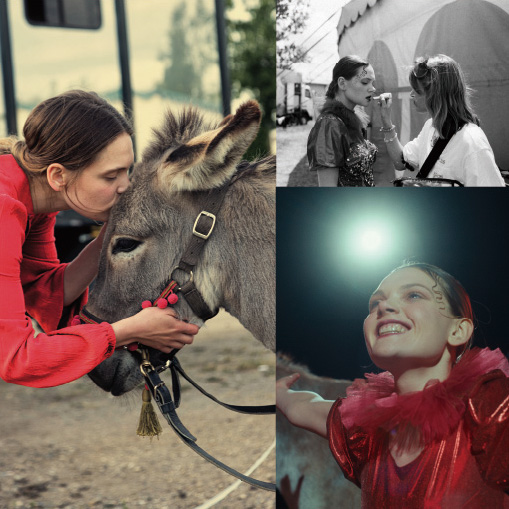
サンドラ・ジマルスカ(カサンドラ役)
1993年生まれ。若い世代で最も才能のあるポーランドの俳優の1人。有名なクラクフ国立演劇大学を卒業し、10本以上の映画やドラマシリーズに出演している。学生時代に人気ドラマシリーズ「BELFER(原題)」(製作:カナルプリュス)でデビュー。その後、「RICOCHETS(英題)」、『BOYS WITH BUTTERFLIES(英題)』(未・2018)、『AMOK(原題)』(未・2017)に出演。
『IT'S REALLY AWESOME(英題)』(未・2017)での演技により、コシャリン新人映画祭で“スクリーンから発せられる個性と才能”に対して賞を受賞。その後、イタリア映画『ソーレ -太陽-』(未・2019)で妊娠中のポーランド移民レナを演じる。この映画は同年のヴェネチア国際映画祭でランテルナ・マジカ賞を受賞し、2020年ヨーロッパ映画賞のディスカバリー賞を受賞。映画『LOVE TASTING(英題)』(未・2020)と『EVERYONE HAS SUMMER(英題)』(未・2020)での演技により、ポーランドのグディニャ映画祭で賞を受賞。2021年、マテウシュ・ラコビチ監督の長編映画『脱走王ナイムロ』でメインキャストの1人を演じる。同年、世界中の批評家の注目を集めた2つのドラマシリーズ「Sexify/セクシファイ」(Netflix)、「MENTAL(原題)」に主演。
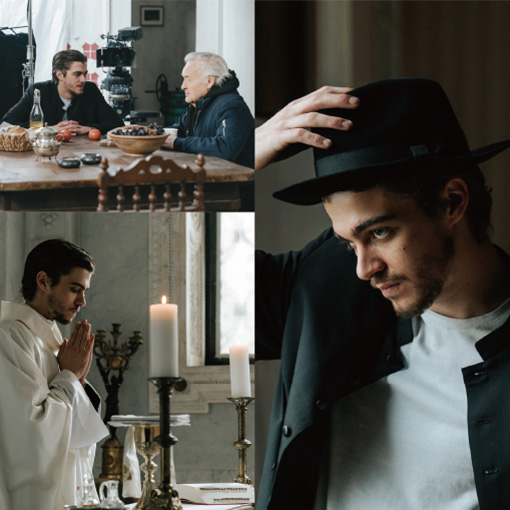
ロレンツォ・ズルゾロ(ヴィトー役)
2000年、ローマ生まれ。14歳の時、舞台「PINOCCHIO」にタイトルロールで出演、ジョルジョ・アルベルタッツィとの共演でデビュー。初期の映画出演作は、パオロ・ジェノベーゼ監督『UNA FAMIGLIA PERFETTA(原題)』(未・2012)、クリスチャン・マラゼッティ監督『SCONNESSI(原題)』(未・2018)、フランチェスコ・ミッチケ監督『COMPROMESSI SPOSI(原題)』(未・2019)。近年ではリカルド・グランディ監督『ザ・キャビン 監禁デスゲーム』(未・2020)、フェデリコ・ザンパリオーネ監督『MORRISON(原題)』(未・2021)で主役を演じ、2021年にナストロ・ダルジェント賞を受賞。
アンドレア・デ・シーカ監督のNetflixドラマシリーズ「Baby/ベイビー」で主演。その後、ユーナッツ監督の映画『リッチョーネの日差しの下で』(2020)に主演。2022年にはさまざまな新作に主要な役で出演。Amazonプライム制作、ルドヴィコ・ベッセガート監督による、多様性をテーマにしたドラマシリーズ「若き光の拡散」では主演の1人として出演。映画『リッチョーネの日差しの下で』のスピンオフ作品で、視覚障害に関する問題にスポットを当てた新たな物語『アマルフィの日差しの下で』では主人公を演じる。マネッティ・ブラザーズ監督による映画『ディアボリック』シリーズ3作目では主人公ディアボリックの若き日を演じる予定。
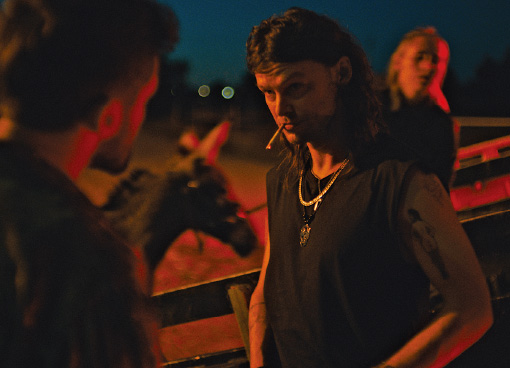
マテウシュ・コシチュキェヴィチ(マテオ役)
1986年生まれ。今、最も有名なポーランドの俳優の1人。初主演映画『ALL THAT I LOVE(英題)』(未・2009)はサンダンス映画祭でプレミア上映され、この時の演技によりポーランドで主要な映画賞を受賞。次の出演作『MOTHER TERESA OF CATS(英題)』(未・2010)でカルロヴィ・ヴァリ国際映画祭の最優秀男優賞に選出。2013年の『IN THE NAME OF(英題)』でベルリン国際映画祭のシューティング・スター賞を受賞。2018年の『顔』は同映画祭で銀熊賞を受賞。演出家のクシシュトフ・ワリコフスキやクリスティアン・ルパらの舞台への出演経験もある。
これまでに30本以上の映画に出演し、その多くで主演。イエジー・スコリモフスキ、ピーター・グリーナウェイ、リリアナ・カヴァーニ、マウゴジャータ・シュモフスカらの監督と仕事をしてきた。
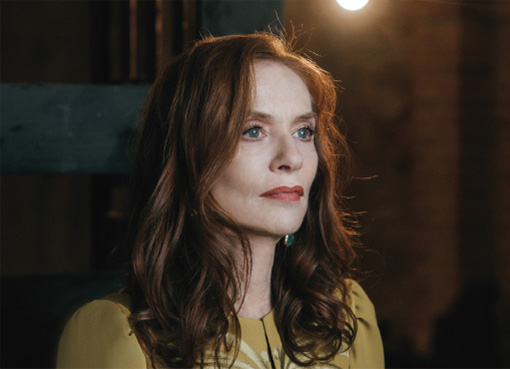
イザベル・ユペール(伯爵夫人役)
フランスを代表する俳優の1人。『エル ELLE』(2017)でアカデミー賞®最優秀女優賞にノミネートされるなど、その演技でいくつもの賞を受賞している。セザール賞に16回ノミネート、そのうち2回受賞という記録を持つ。映画、舞台、テレビの各分野において、数々の高い評価を得た演技力で知られる。初期のキャリアでは、クロード・ゴレッタ監督『レースを編む女』(1977)やジャン=リュック・ゴダール監督による1979年の作品『勝手に逃げろ/ 人生』で重要な役を演じ、マイケル・チミノ監督『天国の門』 (1981)で英語作品デビューを果たす。その他の英語作品には『窓・ベッドルームの女』(1988)、『ハッカビーズ』(2005)、『ラブストーリーズ エリナーの愛情』(2015)、『母の残像』(2016)、『グレタ GRETA』(2019)、『ポルトガル、夏の終わり』(2020)などがある。クロード・シャブロル監督『ヴィオレット・ノジエール』(1978)、『主婦マリーがしたこと』(1990)での演技で大胆不敵な女性のイメージが定着。こうした傾向はミヒャエル・ハネケ監督の物議を醸した映画『ピアニスト』(2002)と、その後に出演した『エル ELLE』においても続いている。2022年、ベルリン国際映画祭で金熊名誉賞を受賞。
*映画タイトルの後ろの()の数字は日本公開年。未公開や映画祭イベント上映の場合は、(未)と制作年を記載。
ロバは昔から「愚か者」の象徴として物語に登場してきた。
この映画は、むしろ人間の身勝手で利己的な振る舞いを、繊細で賢いロバの目を通じて描く。
印象的なのは、ロバの漆黒の瞳に浮かぶ表情。ロバの眼差しは、人間の言葉よりもはるかに雄弁だ。
― 太郎丸(ロバ旅行家)
人間が動物愛護の道をゆくときに
忘れてならないのは
動物の本当の気持ちは
動物にしかわからないということだ。
それは動物に限らない。
私たちが他者の幸不幸を断定する権利はないと忘れた時
ねじれた悲劇が始まるのだ。
― 寺尾紗穂(音楽家/文筆家)
もう彼だけになってしまった。その人自身を映画と思える人は。
崇高と俗悪がかつてなく接近する最新作はまた一つ映画の領野を広げ、相変わらず陳腐な問いを与える。
映画とは何か。つまりスコリモフスキとは何者か。
― 濱口竜介(映画監督)
ロバのEOの旅。それだけなのだけれど、誰からも忘れられてしまいそうなロバが人間の暮らしの断片を繋いでいく。
流転していく中で、思い出す温もりは「EO」にとってなんだったんだろう。
「EO」が出会う人間達もまた旅の途中なのだと思う。人間達の暮らしはどこへ向かっていくのだろうか。
まずは「EO」が辿り着く先はどこなのか、劇場で見届けていただくしかない。
― 渡辺真起子(俳優)
澄みきったロバの瞳は、この世界の歪みを正確にうつしだす。
あまりの、その歪みかたに、見ている僕たちは胸を詰まらせ、自分たちの世界を叩き壊したくなる。
ロバはなにもいわない。ただ黙々と食み、澄みきった瞳のまま、黙々と歩み去る。
― いしいしんじ(作家)
なんて愛おしいEO!
ロバって人間のこと、見透かしてるんじゃないかなと思うことがよくあります。
映画の中にもそういうシーンが垣間見れ、制作に携わった方々のロバ愛を感じることができます。
映像も素晴らしい!とても独特な世界観が印象に残ります。
必見です!!!
― 田頭真理子(写真家/尾道ロバ牧場運営)